



Vietnam during the Li Dynasty cultural relics occupy the city deification king statue
"Zhancheng Atheification of the King" was created in the late 10th century AD, made of sandstone. The statue is similar in style to the sculptures in ancient temple sites such as Mishan and Toyo in Vietnam's central highlands (south of Da Nang). As a classic representative of Zhancheng sculpture, this work of art has rarity and typicality. Zhancheng is a kingdom influenced by Indian culture that flourished in southern Vietnam between the 3rd and 15th centuries AD. The statue depicts a deified king who sits in a yoga-sitting position (Satvaparyankasava), holding a lotus flower with both hands outstretched.

EarthSong statue-Miloš Axman
Created in 1986 by Czech artist Miloš Axman, this sculpture uses sandstone as the material. Located in the Kohoutovice district of Brno, Czech Republic, this sculpture is not only one of the masterpieces of his artistic career, but also an important cultural landmark of the region. Known for his outstanding contributions to the art of sculpture, his work covers a wide range of areas from small interior works to large monumental sculptures. With its unique artistic style and profound cultural connotation, it has become an indispensable part of Brno's urban landscape.

Stone carving of the girl after bathing-
It is a sandstone sculpture created in 1960 by the Czech sculptor. Known for its naturalistic style and delicate capture of female form, it shows the relaxed and pure state of women after bathing. The girls in the sculpture have different postures, revealing a quiet and introspective atmosphere, in harmony with the surrounding natural environment. Located in the park on the 28th of October square in the Černépole of Brno, this sculpture has become a striking symbol of the region, a Brno cultural landscape that attracts the attention of tourists and local residents.
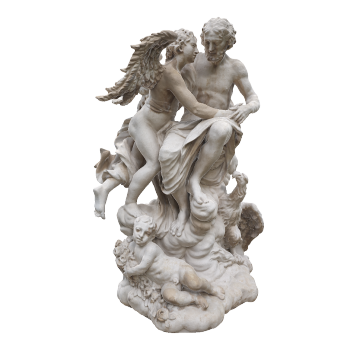
Ganymede Ascending to Heaven
This is a sculpture located in Austerlitz Castle Park, depicting scenes of Jupiter and Ganymede. Jupiter embraced Ganymede and led him to heaven. At his feet was Cupid, with a quiver filled with arrows of love, and an eagle holding a beam of lightning in its claws. This statue carved from sandstone was created by Giovanni Giuliani in 1702. Jupiter is the main god in Roman mythology, in charge of the sky and thunder. Ganymede was the prince of Troy, chosen by Jupiter to become the god of wine among the gods, and thus transformed into an eagle and brought to heaven by Jupiter. Cupid is the goddess of love in Roman mythology, and his arrows can make people fall in love.

Female sculpture made of sandstone
This statue is part of the war memorial erected at Hollabrunn Cemetery in 1924. This artist is Theodore von Chalimon.

The sandstone statue of the Aztec civilization, "Sitting Mithrant Kutli"
The statue of Mithrant Kutli, the Aztec god of death, is currently housed in the British Museum in London. This statue is carved from sandstone, which has not been found in the highlands of Mexico and may have been collected and transported from the coastal areas of the Gulf in northern Mexico. The back of this statue is engraved with three pictographic characters: 'Two skulls',' Five vultures', and 'Four houses'. Mithrant Kutli is the god of death in Aztec mythology, often depicted as a figure with a skull face.

Popular Models

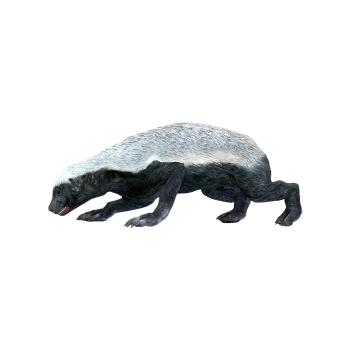
Honey Badger (3D animated model)
194 View
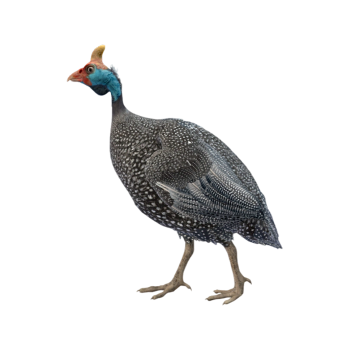
Guinea fowl (3D animated model)
165 View
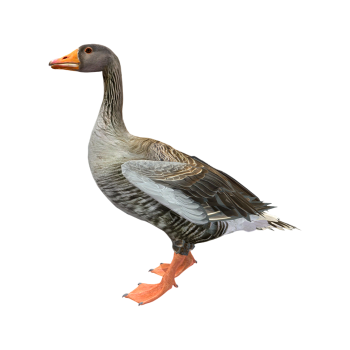
Wild Goose (3D animated model)
187 View

Red Fox (3D animated model)
155 View
Random Model



red cabbage
543 View

Sony WH-H800 Gold Edition
790 View


FBX model of fuel pump nozzle
945 View




Bluegill Sunfish 3D Model Animation
855 View